
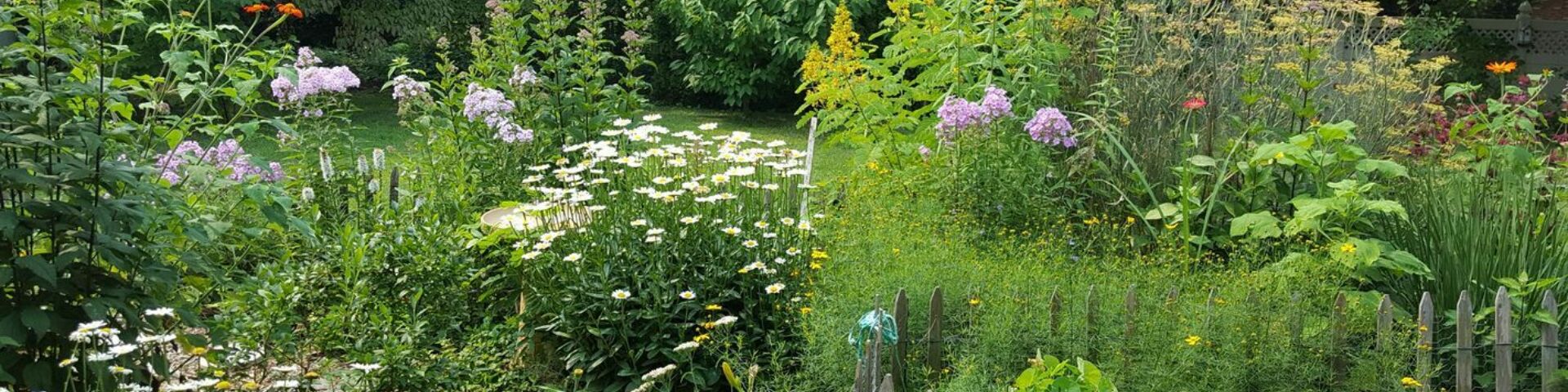
Pollinator Habitat Certification
Master Gardener Pollinator Habitat Certification
Pollination is the very foundation of our ecosystem, producing seeds and fruits and providing food for wildlife, and us, to thrive. Many of our insect pollinator friends — bees, flies, wasps, beetles, butterflies and moths — are struggling to find nutritious food and safe places to nest.
How to Certify your Garden as a Pollinator Friendly Habitat
Any Pennsylvania resident whose property meets the requirements can apply for Pollinator Habitat Certification.
Visit the topics below to find all the information you need to apply:
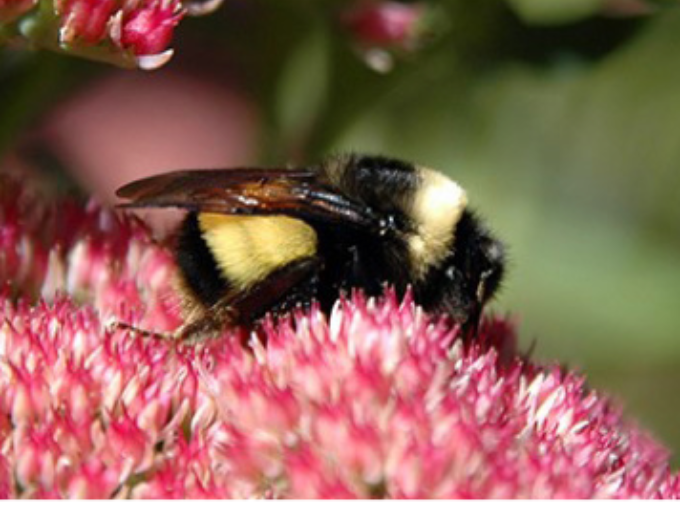
Provide Food Sources
Various kinds of native plants that bloom at different times of year are needed to provide nectar, pollen and larval food sources.
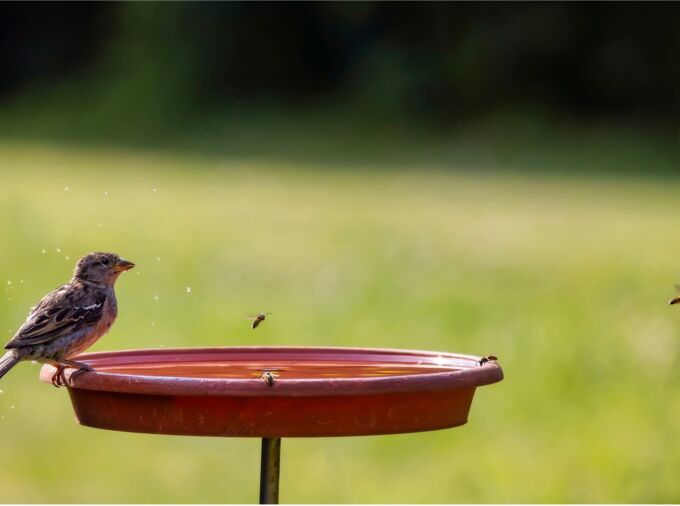
Provide Water Sources
Pollinators need sources of water for many purposes, including drinking and reproduction.
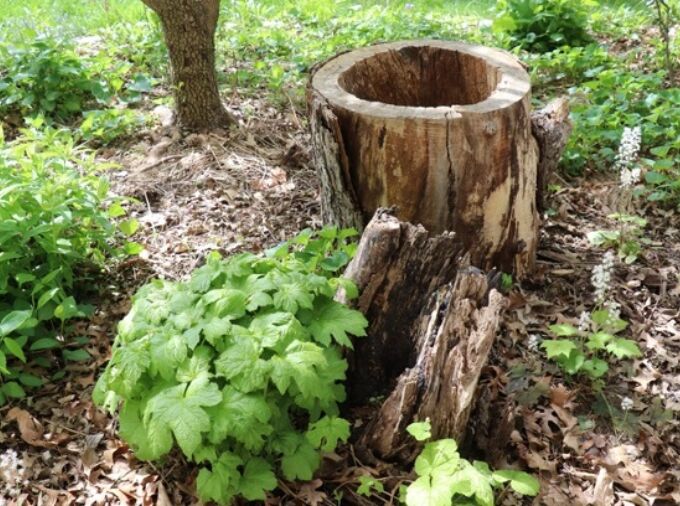
Provide shelter and nesting sites
Pollinators need places to nest and protection for overwintering.
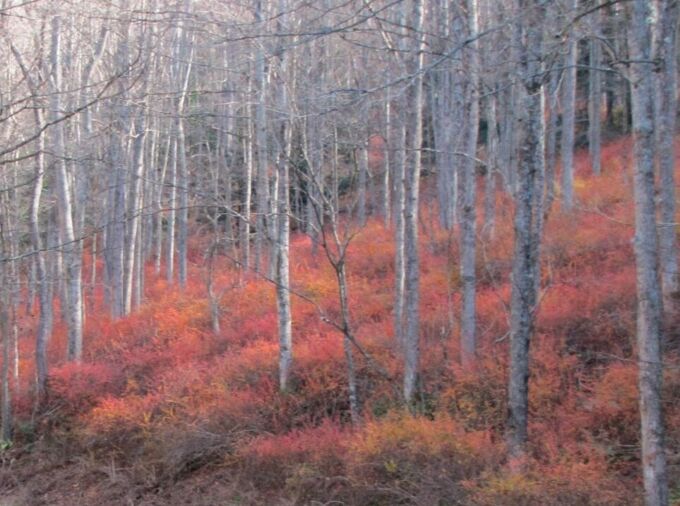
Remove Invasive Plants
Invasive plant species endanger pollinator habitat and are an increasing problem in Pennsylvania.
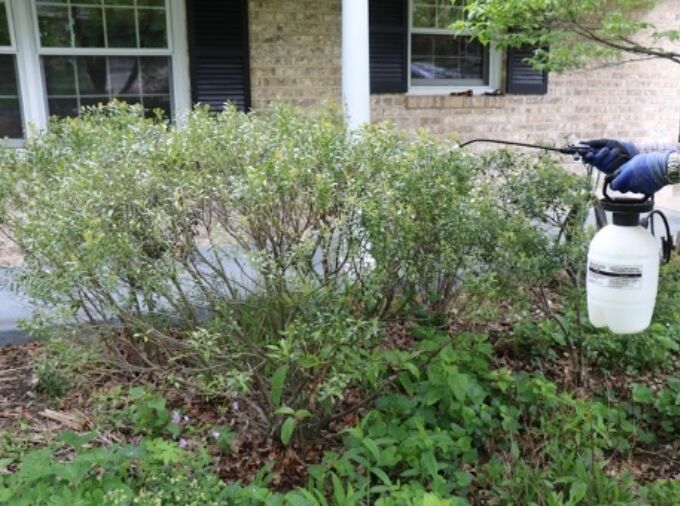
Reduce Pesticide Use
Pesticides do not distinguish between pests and their predators or parasites and can be very deadly to pollinators.
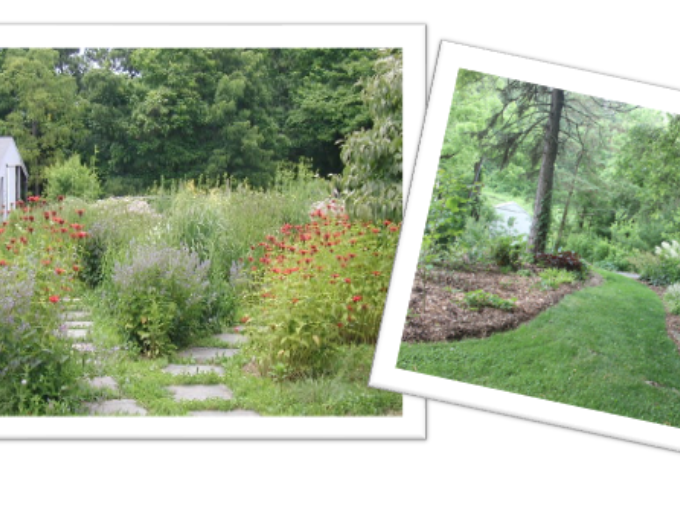
Provide Photos
Submit several labeled photographs so we can evaluate your property for certification.
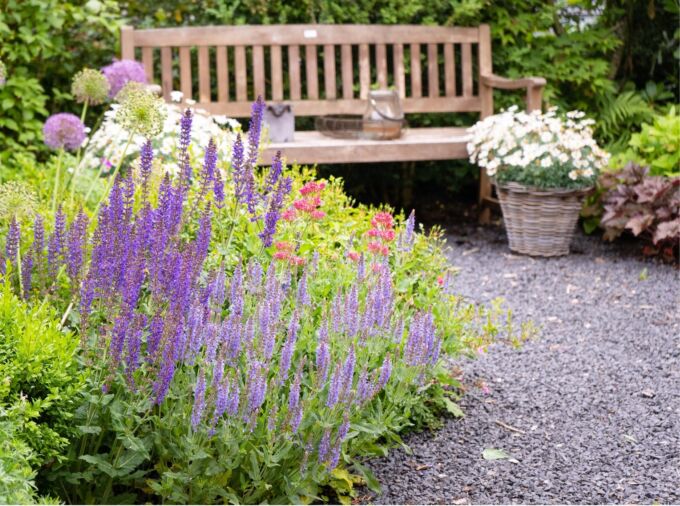
How to apply
Penn State Master Gardener Pollinator Friendly Habitat Certification is available to all Pennsylvania residents.
Frequently Asked Questions
Find answers to common questions about how to certify your pollinator habitat through Penn State.
What's the Buzz? Newsletter
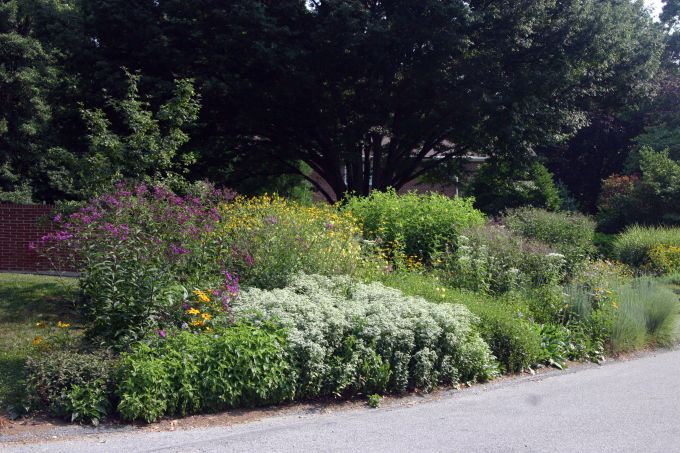
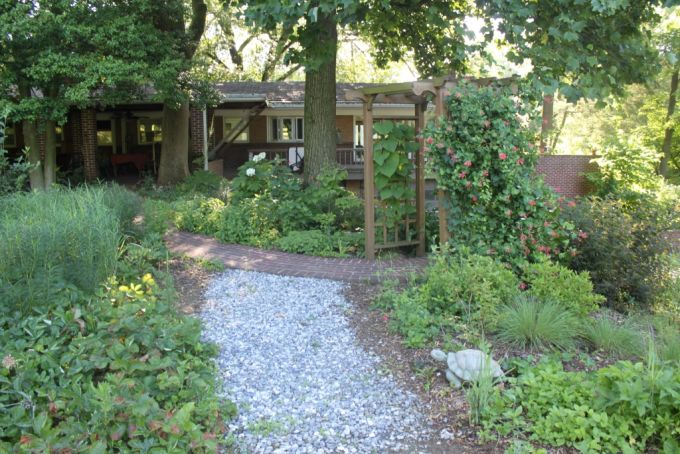
Examples of Certified Pollinator Habitats in Pennsylvania
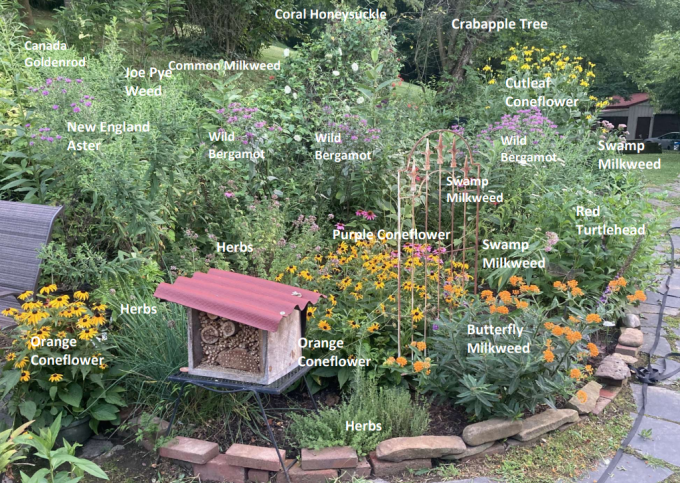
Credit: T. Jameison
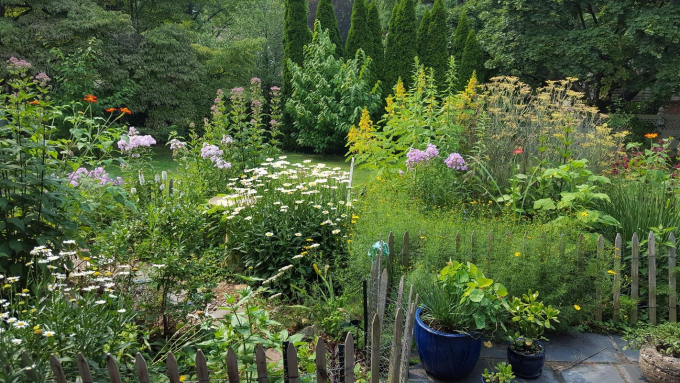
Credit: J. Owen
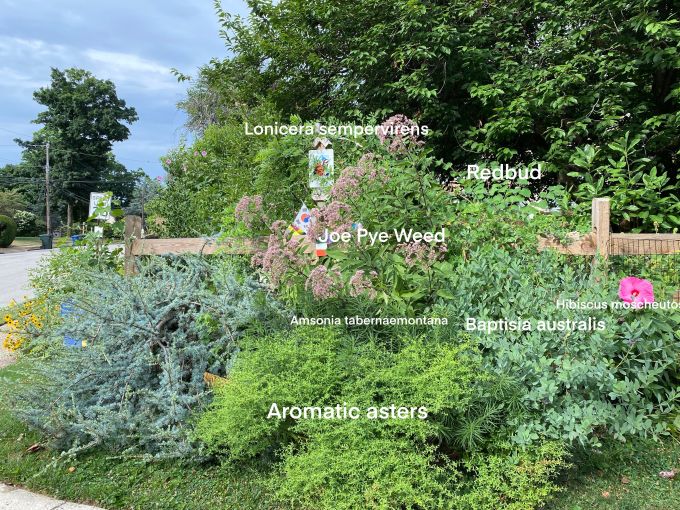
Credit: M. Park
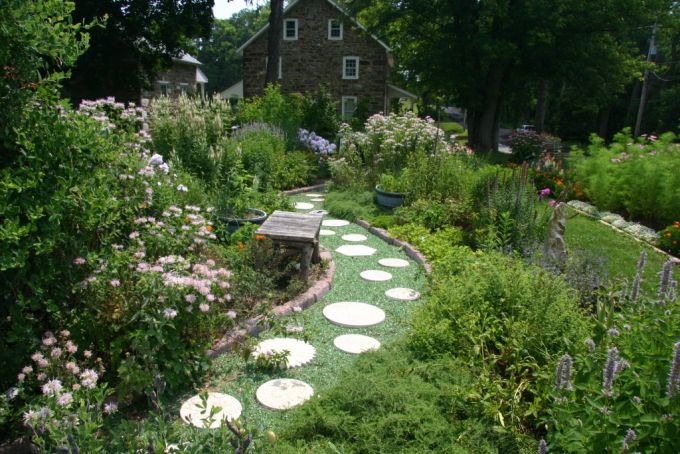
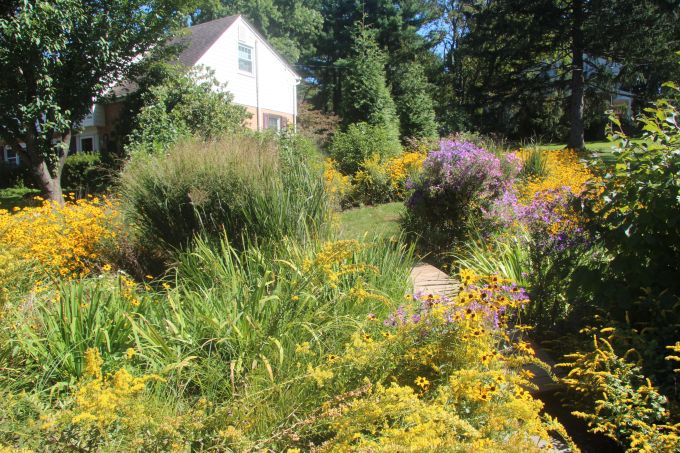
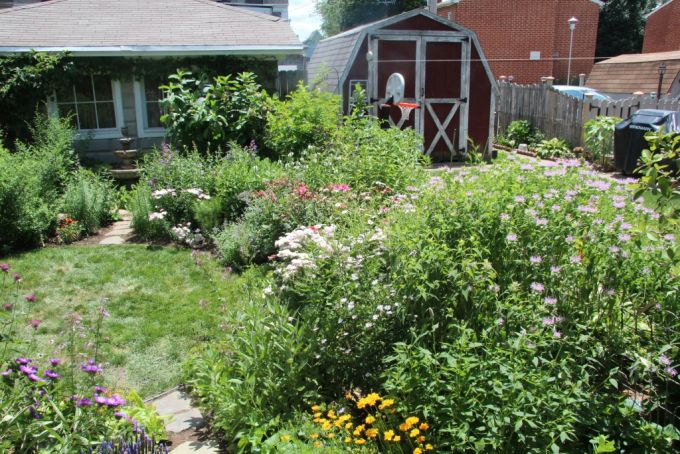
Credit: V. Chavez
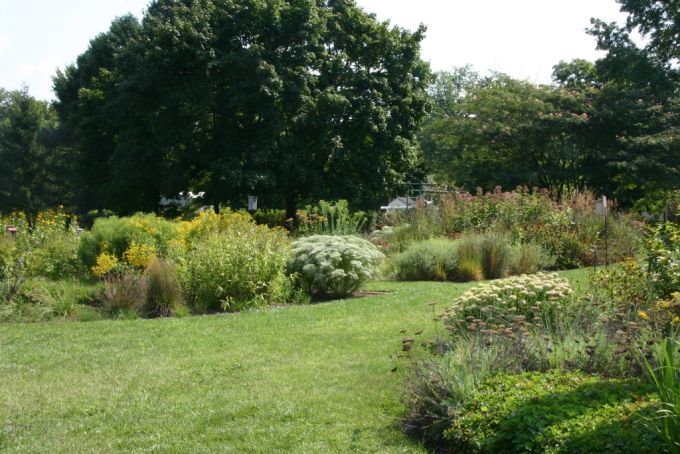
Credit: R. Silverman
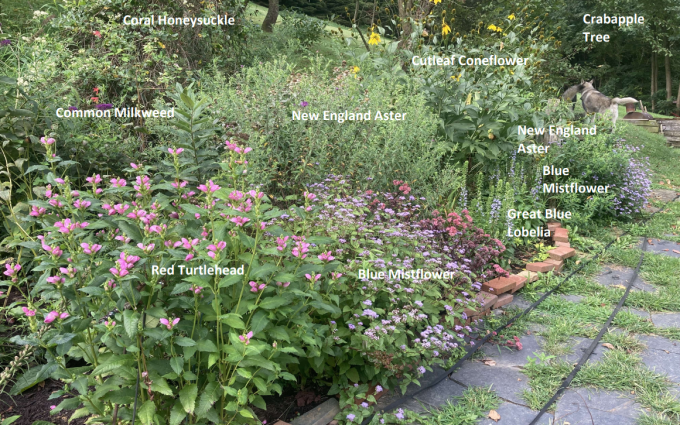
Credit: T. Jameison
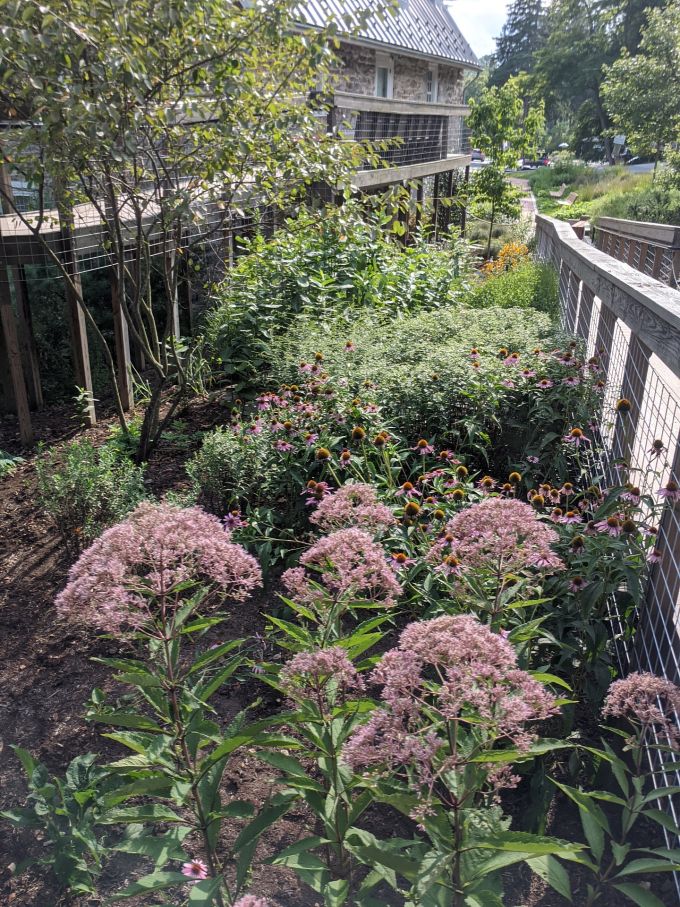
Credit: L. Preston
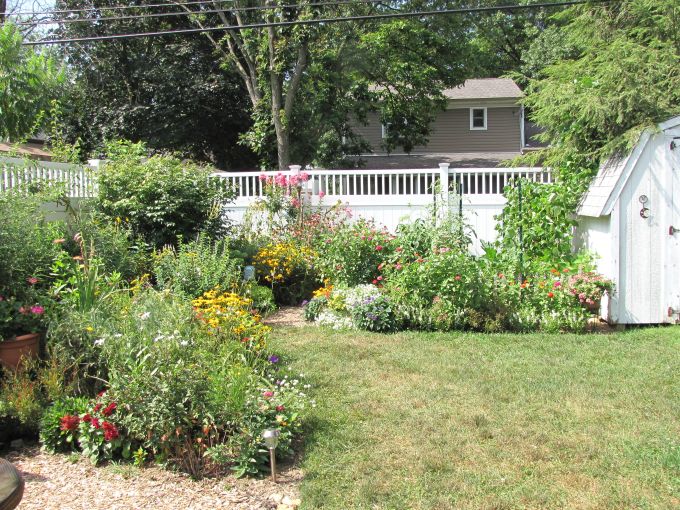
Credit: R. Silverman
Credit: L. Martin
For questions about the Pollinator Habitat Certification program, contact: